What Are the Key Types of Pipe Fittings for Wholesale Buyers?
When wholesale buyers look for pipe fittings, they should know about several types. Some of the most common types include elbows, tees, couplings, and reducers. Elbows are used to change the direction of the pipe. For example, if a pipe needs to turn a corner, an elbow fitting can do that easily. There are different angles for elbows, like 90 degrees or 45 degrees, and the right choice depends on the project needs. Tees are another type of fitting. They look like the letter "T" and allow pipes to connect in three directions. This is useful when you need to branch off from a main line. Couplings connect two straight pieces of pipe. They can be simple connectors or have special features to make them stronger. Reducers are used when you need to connect pipes of different sizes. For instance, if a large pipe needs to connect to a smaller one, a reducer fitting helps make that happen without leaks. Each type of fitting has a unique role, and knowing them helps buyers choose the right ones for their needs. At Kanaif, we offer a wide range of these fittings to help you find exactly what you need for your project.
What Common Issues Should You Know About Pipe Fitting Usage?
Using pipe fittings can sometimes lead to problems if not done correctly. One common issue is leaks. If a fitting isn't installed properly or if the wrong type is used, water or gas can leak out. This can cause damage and be a safety hazard. Another issue is corrosion. Some materials, like metal fittings, can rust over time, especially if they're exposed to moisture. This can weaken the pipes and lead to breaks. It's also important to think about the pressure inside the pipes. If the pressure is too high for the fittings, they can burst or become damaged. Buyers should check the pressure ratings on the fittings before using them. Temperature can also be a concern. Some fittings can't handle extreme heat or cold, which can lead to problems. Using the right materials for the job is key. For example, plastic fittings work well in some situations but may not be strong enough for high-pressure gas lines. At Kanaif, we understand these issues and work hard to provide products that meet safety standards and are durable for long-term use. Always double-check the specifications and installation instructions to avoid these common problems.
How to Identify the Best Pipe Fittings for Different Applications
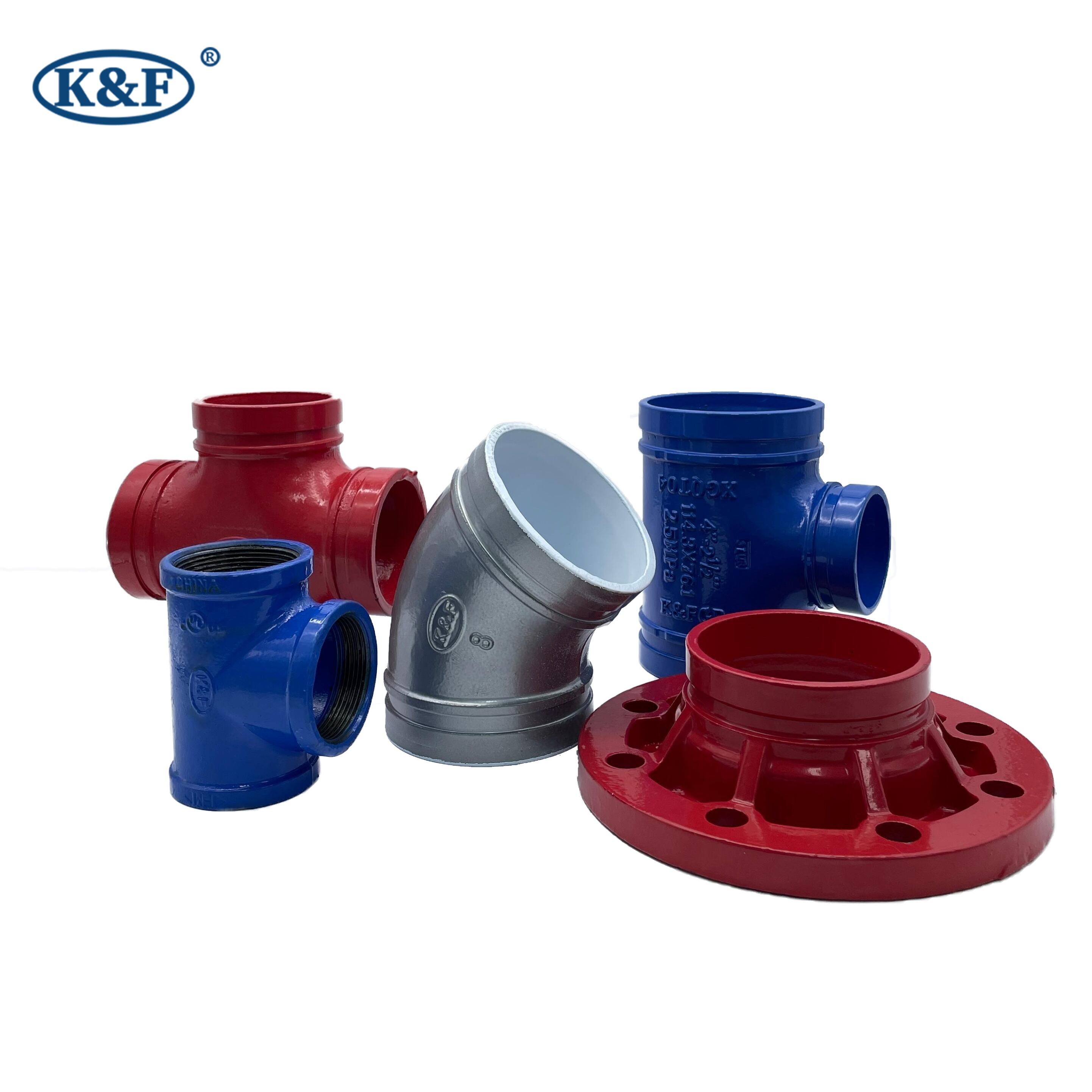
Choosing the right pipe fittings is very important for any plumbing or construction project. Pipe fittings are the pieces that connect different pipes together, allowing water or gas to flow smoothly from one place to another. When selecting the best pipe fittings, you should think about what you need them for. For example, if you are working with water pipes, you might want fittings made of materials that won’t rust or corrode, like PVC or brass. On the other hand, if you are working with gas pipes, make sure to use fittings that are specifically designed for gas, as they need to be strong and safe.
Another thing to consider is the size of the pipes you are using. Pipe fittings come in different sizes, so it’s important to measure your pipes to find the right fit. If the fitting is too big or too small, it won’t work properly. You should also look at the pressure and temperature that the pipes will handle. Some fittings can handle high pressure, while others are best for low pressure. This is especially important if you are using them in a hot water system.
It’s also helpful to think about where the pipes will be located. If they are going to be outside, you might need fittings that can withstand weather changes. For indoor use, standard fittings will usually do just fine. Don't forget to check for any special requirements or codes in your area that might affect your choice of fittings. At Kanaif, we provide a wide variety of pipe fittings suitable for many different applications, ensuring you find what you need for your project.
What Factors Affect Pipe Fitting Durability and Quality?
The durability and quality of pipe fittings can depend on several factors. First, the material of the fittings plays a huge role. Common materials include PVC, copper, and stainless steel. Each material has its own strengths and weaknesses. For instance, PVC is lightweight and resistant to corrosion, which makes it a good choice for many plumbing jobs. Copper is strong and has natural anti-bacterial properties, but it can be more expensive. Stainless steel is durable and can handle high temperatures, but it might also cost more than other materials.
Another important factor is how the fittings are made. Some fittings are molded, while others are forged or cast. Molded fittings are often less expensive and good for many uses, but forged fittings can be stronger and better for high-pressure situations. Additionally, the way the fittings are joined to the pipes can affect their durability. For example, soldering or welding can create a strong bond, while using glue or clamps might not be as reliable in some situations.
Quality control during the manufacturing process is also critical. High-quality fittings will have been tested to ensure they can handle the stresses and conditions they will face. Look for fittings that have certifications or meet certain standards, as these are usually more reliable. At Kanaif, we focus on providing high-quality pipe fittings that meet industry standards, ensuring they will last for many years without issues.
What Are the Benefits of Using Specialized Pipe Fittings?
Using specialized pipe fittings Pipe Fitting can make your plumbing or construction project much easier and safer. These fittings are designed for specific applications, meaning they can handle the unique challenges that come with those uses. For example, if you are working with high-pressure systems, specialized fittings can help prevent leaks and breakage. This is especially important in situations where safety is a concern, like in gas pipelines or water supply systems.
Another benefit is that specialized fittings can save you pipe and pipe fittings time and money in the long run. While they might cost a bit more upfront, they can reduce the need for repairs and replacements down the line. For instance, using the right fittings for hot water pipes can prevent overheating and damage, which could lead to costly repairs. Additionally, they often come with warranties or guarantees, giving you peace of mind that you are making a smart investment.
Specialized fittings can also improve the efficiency of your system. For example, certain fittings can help pipe and pipe joints to reduce friction and improve water flow, which can save energy and help your system work better. At Kanaif, we offer a range of specialized pipe fittings designed to meet various needs, ensuring you have the best tools for your project. By choosing the right fittings, you can enhance the safety, durability, and efficiency of your plumbing or construction work.